The Beatles in Germany
The Grit, Glory, and Gigs That Shaped a Legend
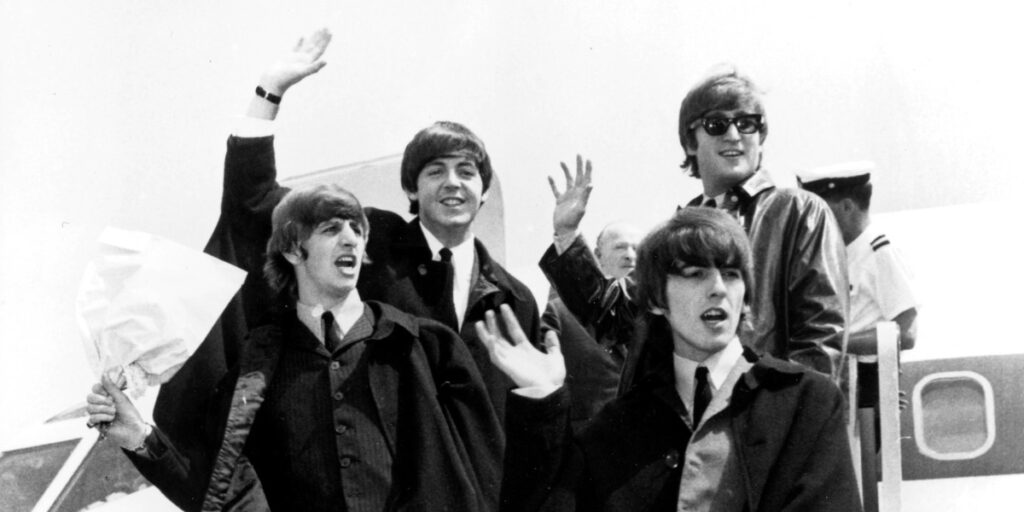
Before the mop-tops and mania, before Abbey Road and global stardom, The Beatles were five young lads—John Lennon, Paul McCartney, George Harrison, Stuart Sutcliffe, and Pete Best—crammed into dank clubs in Hamburg, Germany, chasing dreams louder than the amps they played through. This was where the Beatles learned to be The Beatles. And for any culturally curious traveler or music lover, retracing their footsteps in Germany is a fascinating journey into the soul of rock ‘n’ roll.
Hamburg: Where It All Began
The Beatles first arrived in Hamburg in August 1960, when they were still virtually unknown outside of Liverpool. Over the course of five visits between 1960 and 1962, they played hundreds of hours of music, performing marathon sets that sometimes lasted up to six hours a night. These formative gigs took place in the notorious red-light district of St. Pauli, a rough-and-ready melting pot of sailors, musicians, and partygoers.
The Indra Club was their first Hamburg venue. Located on Grosse Freiheit Street, it was here, on August 17, 1960, that they played their very first German gig. Today, the Indra is still open and proudly celebrates its Beatles heritage with memorabilia and regular tribute events.
Just down the street is the Kaiserkeller, where the band truly began to hone their craft. Owned by Bruno Koschmider, this smoky basement venue saw the Beatles perform up to seven nights a week, absorbing American rock ‘n’ roll, working out harmonies, and learning the stamina and chemistry that would later electrify the world. These weren’t glamorous gigs, but they were vital.
A Crucible of Creativity—and Drama
It wasn’t just music that happened in Hamburg. Stuart Sutcliffe, the band’s original bassist, fell in love with German photographer Astrid Kirchherr here. Her moody black-and-white portraits of the band are iconic and credited with shaping their early aesthetic. It was Kirchherr who encouraged the Beatles to adopt their famous “mop-top” haircuts—a subtle but influential turn in their visual identity.
George Harrison, only 17 when he first arrived, was deported in November 1960 for being underage. Paul McCartney and Pete Best were also arrested and deported for allegedly trying to set fire to a condom in the Bambi Kino cinema where they were living. These chaotic moments were all part of the wild ride that hardened The Beatles into performers ready for prime time.
Lesser-Known Highlight: The Bambi Kino
Most fans know the Indra and the Star-Club (more on that in a moment), but Bambi Kino is a lesser-known gem. This tiny, run-down cinema was where the Beatles lived in squalid conditions, sleeping in a back storeroom behind the screen. Today, the cinema is gone, but the building remains, and it’s marked with a plaque for die-hard fans. The fact that they endured such difficult conditions makes their eventual rise all the more remarkable.
The Star-Club: Final Curtain in Hamburg
The Beatles’ last Hamburg stint was at the Star-Club in late 1962. By then, they had swapped Pete Best for Ringo Starr and signed a deal with EMI. The Star-Club shows were their last as a semi-anonymous band. Not long after, “Love Me Do” hit the UK charts, and their Hamburg chapter came to an end.
Though the Star-Club no longer exists—it was destroyed by fire in 1987—a plaque now marks the spot on Große Freiheit 39. The surrounding area still pulses with nightlife and music venues, echoing the energy of those early days.
Legacy and Memory
The city of Hamburg has embraced its Beatles legacy with walking tours, statues, and exhibitions. The Beatles-Platz, a circular plaza shaped like a vinyl record at the crossroads of Reeperbahn and Große Freiheit, features metal silhouettes of the Fab Four (including Sutcliffe and Best, depending on interpretation). It’s a place for reflection, photos, and perhaps a quiet hum of “In My Life.”
Astrid Kirchherr’s legacy is also preserved in exhibitions and photography retrospectives, many of which have been showcased at venues like the Museum für Hamburgische Geschichte.
For fans and curious travelers alike, a trip to Hamburg is a chance to experience the place that shaped the Beatles. It’s raw, real, and full of stories. You won’t just see where they played—you’ll understand how they became who they were. Their time in Germany was more than just gigs—it was a turning point.
As John Lennon once said: “I might have been born in Liverpool, but I grew up in Hamburg.”
Whether you’re a lifelong fan or a curious traveler chasing the stories behind the music, Hamburg offers a rich and raw look at the early days of the world’s most famous band. Dive into the clubs, visit the plaques, and let the music and memories carry you back to the beginning.