The Best Preserved Cities of the Ancient Roman Empire
Exploring the Best Preserved Cities of the Ancient Roman Empire
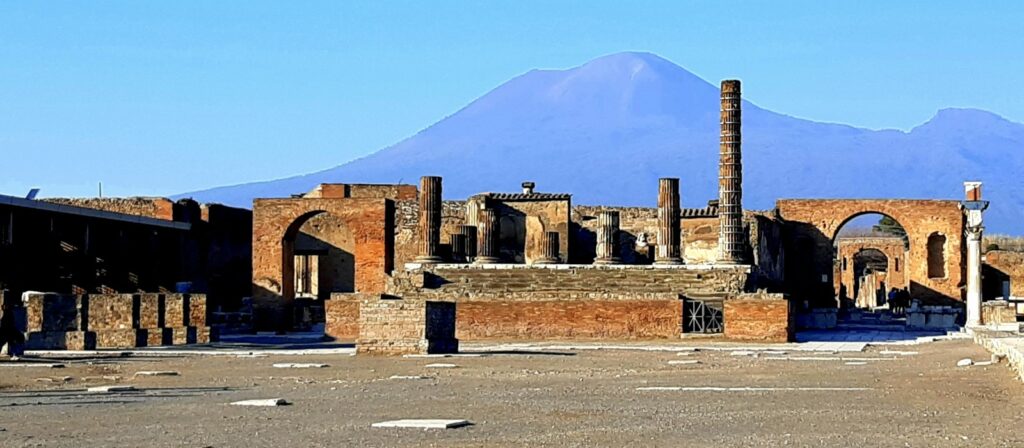
The legacy of the history of the Roman Empire lives on in its remarkable architectural remains. Across Europe, North Africa, and the Middle East, numerous sites showcase the ingenuity and sophistication of ancient Roman cities, not only reflecting the power and reach of a once-mighty civilization but also serving as living museums where visitors can immerse themselves in the past. In this blog, we delve into ten cities – ranging from world-renowned metropolises to lesser-known gems – that offer an unparalleled window into the lives, culture, and urban planning of the Romans. 1. Pompeii, Italy Pompeii is perhaps the most evocative example of a city frozen in time. Destroyed and buried in 79 AD by Mount Vesuvius, this Roman city marvel provides a haunting snapshot of daily life before disaster struck. Visitors wander through well-preserved homes, shops, and public spaces, witnessing frescoes and mosaics that reveal both the artistic flair and practical life of its citizens. The remarkable preservation makes Pompeii a cornerstone of the history of the Roman Empire.
2. Herculaneum, Italy
Not far behind in significance is Herculaneum, another victim of Vesuvius’s fury. While it shares a tragic fate with Pompeii, Herculaneum offers a different perspective; its preservation includes organic materials like wooden furniture and even food remnants, giving us an intimate look into daily Roman life. This site is an essential part of understanding ancient Roman cities and their culture.
3. Ostia Antica, Italy
Serving as the principal port of ancient Rome, Ostia Antica is one of the best examples of well preserved ancient Roman heritage. Its extensive ruins – ranging from apartment blocks and warehouses to temples and baths – offer insights into both the commercial and cultural life of a thriving port city. Visitors are particularly impressed by its mosaics and theaters, which speak volumes about the artistic and social life in the city.
4. Jerash, Jordan
Jerash, known to the Romans as Gerasa, is one of the finest examples of Roman Empire cities in the Middle East. The city’s grand colonnaded streets, imposing temples, and well-preserved theaters evoke the splendor of its past. A standout feature is Hadrian’s Arch, commemorating the visit of Emperor Hadrian and the cities of the Roman Empire in 129 AD. Jerash exemplifies how Roman urban planning left its mark far beyond Italy.
5. Leptis Magna, Libya
Leptis Magna in modern-day Libya is a testament to the reach of Roman Empire cities in North Africa. Once a bustling center of trade and administration, its ruins include a grand amphitheater, a basilica, and the imposing Arch of Septimius Severus – named for the emperor who was a native son of the city. The urban design and scale of Leptis Magna reveal much about Roman sophistication and engineering prowess.
6. Ephesus, Turkey
Ephesus stands as one of the most historically significant ancient Roman cities on the coast of Asia Minor. Known for landmarks such as the Library of Celsus and a magnificent theater, Ephesus was also home to the Temple of Artemis, one of the Seven Wonders of the Ancient World. The site remains a key reference point in understanding the sprawling influence of the history of the Roman Empire on culture and religion.
7. Timgad, Algeria
Founded around 100 AD by Emperor Trajan, Timgad is celebrated for its impeccably planned grid layout – a hallmark of ancient Roman design. This city in Algeria features a well-preserved arch, basilica, and theater that collectively highlight the meticulous urban planning of the Romans. Timgad offers historians a rare glimpse into the administrative efficiency and aesthetic priorities of Roman colonial ventures.
8. Dougga, Tunisia
Often hailed as the best-preserved small town of the Roman empire era in North Africa, Dougga is recognized as a UNESCO World Heritage site. Its ruins, including the Capitol, which was dedicated to Jupiter, Juno, and Minerva, and an ancient theater that once hosted thousands of spectators, capture the spirit of Roman civic life. The panoramic views from Dougga further accentuate its strategic and cultural significance.
9. Volubilis, Morocco
Volubilis, located near Meknes, was a central administrative hub for the Romans in Africa. The site is famed for its exquisite mosaics, a grand basilica, and a triumphal arch that marks its former glory. As a key node in the network of Roman empire cities, Volubilis illustrates the integration of Roman architectural style with local influences, offering scholars a vibrant canvas of cultural synthesis.
10. Butrint, Albania
Rounding out our list is Butrint, a lesser-known yet fascinating ancient Roman city site in Albania. Nestled within a national park, Butrint is a multi-layered settlement with traces of Greek, Roman, and Byzantine influences. Its Roman-era bathhouse, aqueduct, and fortifications provide a nuanced glimpse into the evolution of urban centers across time, making it a compelling subject for those exploring the history of the Roman Empire.
Now that you have read about the remarkable preserved sites of the ancient Roman Empire, imagine experiencing these treasures firsthand. If you love all things Roman history, then you’ll love our trip exploring ancient Greece & Rome, where you’ll wander through the timeless streets of Rome, Naples, Baia, Cumae, Herculaneum, and Pompeii, and then unwind in the coastal charms of Sorrento, Capri, and Paestum. It’s your chance to step directly into the world that shaped our civilization.